Your eyes deserve the same attention as the rest of your health.
At Magnifeye Optometrist, our comprehensive eye tests are designed to do more than check vision — they help protect your long-term eye health and overall wellbeing.
Why Regular Eye Tests Matter
Many eye conditions develop slowly and without obvious symptoms. Regular eye examinations allow us to detect and treat potential issues early — often before they affect your sight.
Routine testing helps us monitor:
Vision changes and prescription needs
Eye pressure and glaucoma risk
Retinal health and early signs of diabetes or hypertension
Age-related conditions such as cataracts or macular degeneration
Remember
Early detection saves sight.
What Happens During an Eye Test
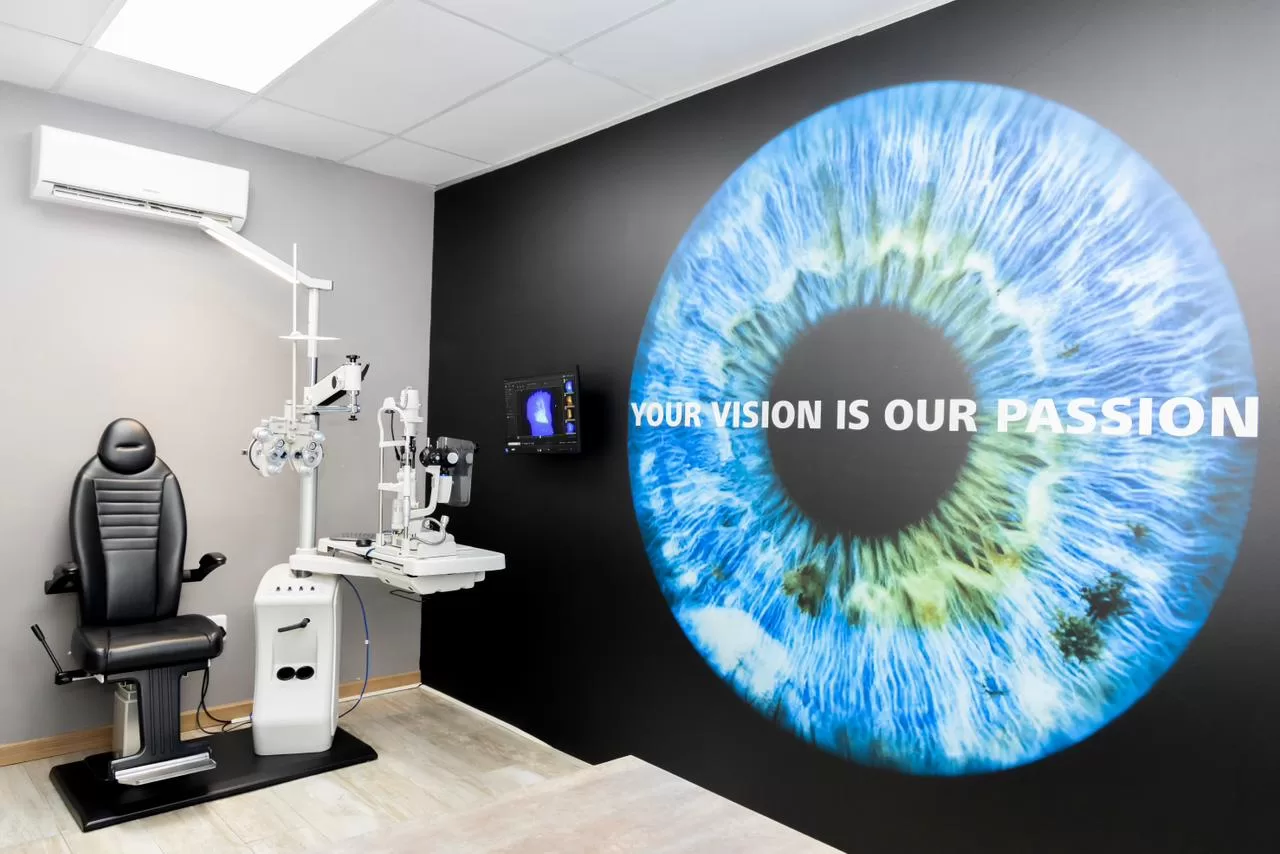
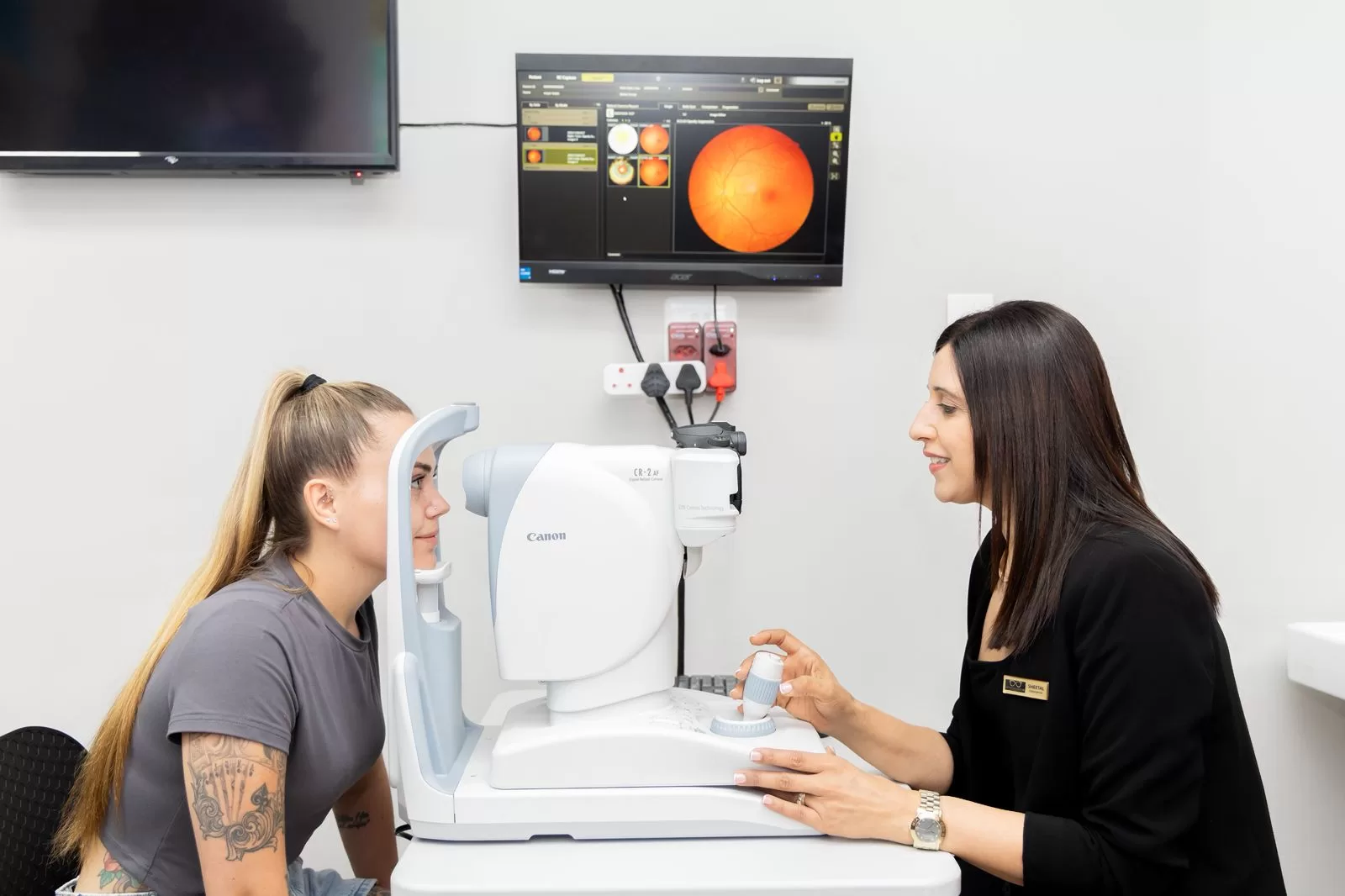
Our modern, comfortable practice uses advanced diagnostic equipment to ensure every detail of your eye health is checked.
A typical eye test includes:
Medical and lifestyle discussion – understanding your visual needs, family history, and screen time habits.
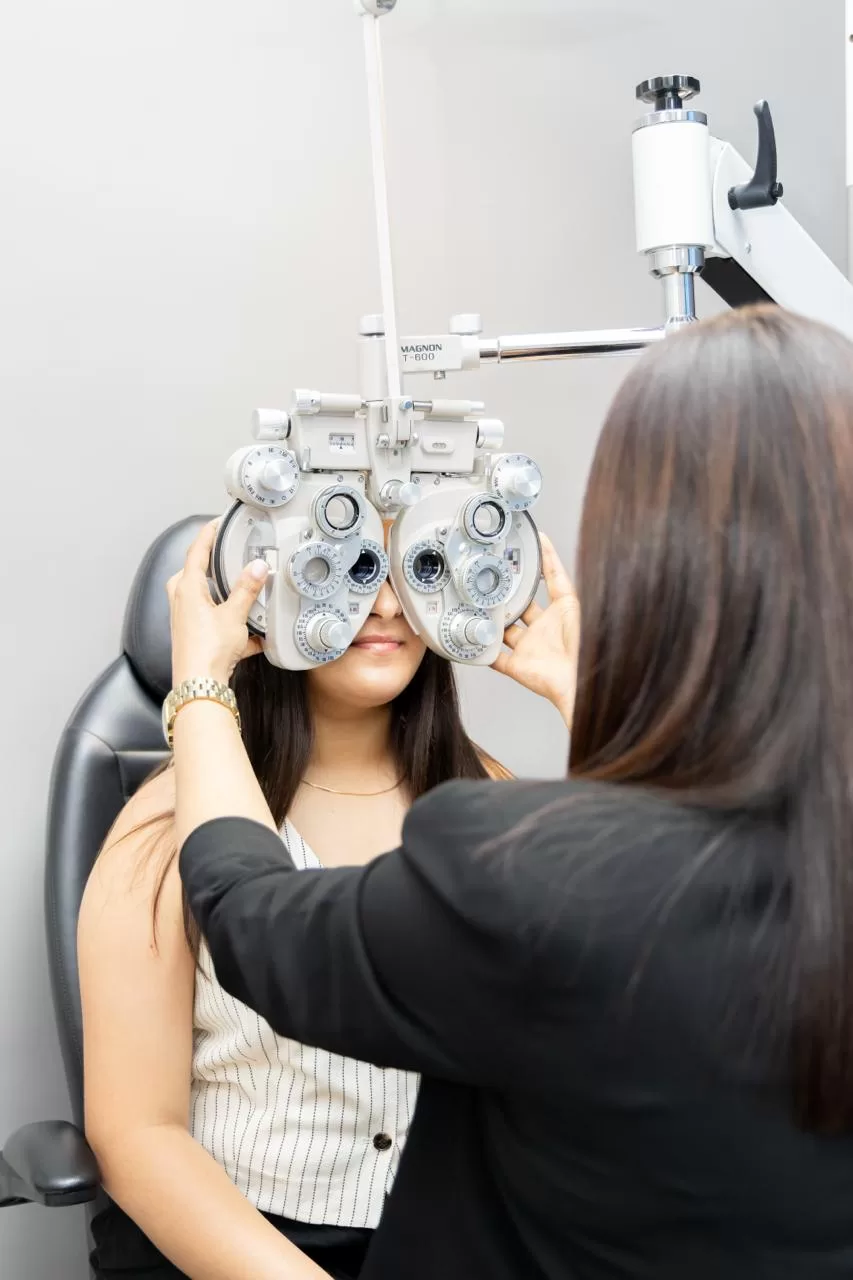
Vision and refraction testing – determining if you need glasses or contact lenses.
Eye coordination and focus assessment – ensuring both eyes work together comfortably.
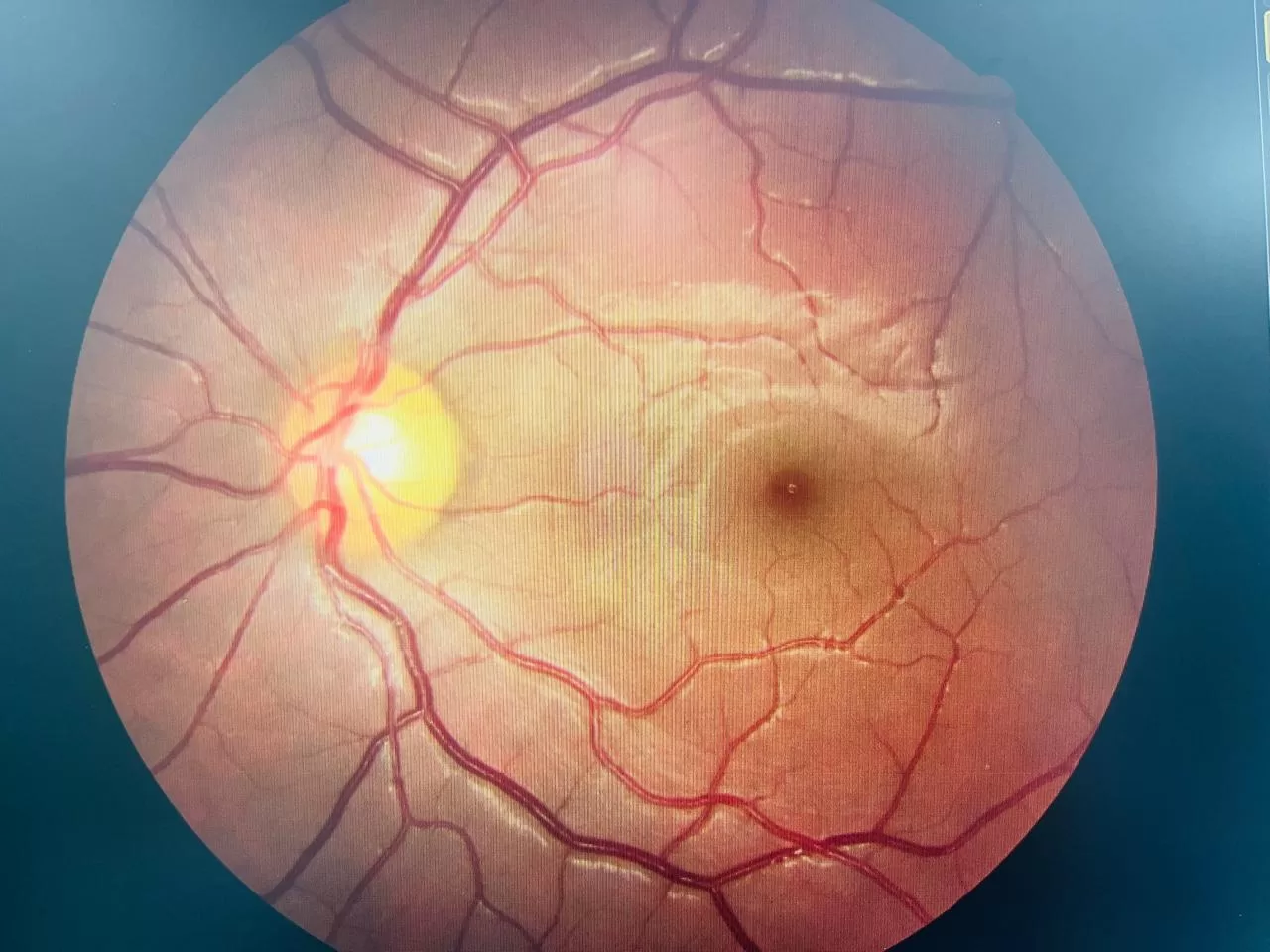
Eye health examination– checking the retina, optic nerve, and pressure inside the eye.
Personalised advice – we’ll explain your results clearly and recommend the best solution for your eyes.
Our tests are non-invasive, painless, and suitable for all ages.
How Often Should You Have an Eye Test?
Adults (18–59): Every 2 years
Children: Every 12–18 months, starting before school
Over 60 years:Annually or as recommended
Contact lens wearers: At least once a year
People with diabetes, high blood pressure, or family history of eye disease:Annually
Conditions Detected Through Eye Testing
Regular eye exams can reveal more than just blurred vision.
We commonly detect and monitor:
Glaucoma – increased pressure damaging the optic nerve
Cataracts – clouding of the eye’s lens
Macular degeneration – age-related damage to central vision
Myopia (nearsightedness), hyperopia (farsightedness) and Astigmatism
Diabetic retinopathy – changes in the retina due to diabetes
Eye strain or digital vision syndrome from prolonged screen use
Protect Your Eyes Daily
Your lifestyle plays a big role in eye health.
We recommend:
Wearing UV-protective sunglasses outdoors
Taking regular screen breaks
Maintaining a balanced diet rich in vitamins A, C, and Omega-3
Getting enough sleep and staying hydrated
Sun Protection
Protecting your eyes from the sun is essential for maintaining long-term vision and overall eye health. UV radiation can cause gradual damage that often goes unnoticed until much later. Quality sunglasses help prevent this by providing daily, reliable protection.
Why sun protection matters for your eyes:
Prevents UV-related eye conditions: Reduces the risk of cataracts, macular degeneration, photokeratitis, and other sun-induced damage.
Protects delicate eye structures: Shields the cornea, lens, retina, and sensitive skin around the eyes from premature aging.
Improves outdoor comfort: Minimises glare, especially when driving, at the beach, or around water, making vision clearer and more comfortable.
Enhances safety: Polarised lenses reduce reflective glare, improving visibility and reaction time in bright conditions.
Critical for children: Kids’ eyes absorb more UV light than adults’, making early protection vital for lifelong eye health.
Daily sun protection is a simple habit that goes a long way towards preserving clear, comfortable vision for years to come.
Book Your Eye Test Today
Don’t wait for symptoms — prevention is better than cure.
Our friendly optometrists are ready to help you see clearly and comfortably.