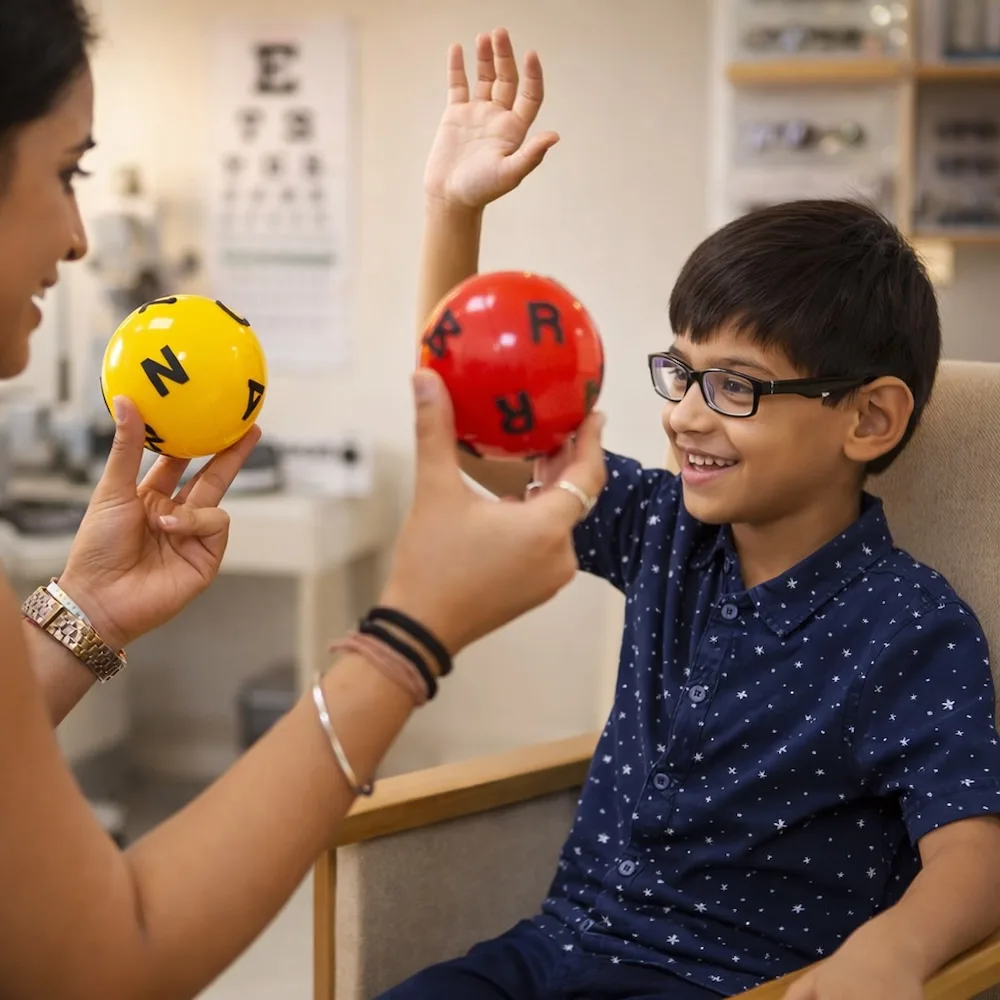
At Magnifeye Optometrist, we believe healthy eyes set the foundation for a child’s learning, confidence, and happiness.
Our Magnifeye Kids program focuses on making every visit fun, friendly, and reassuring — while giving parents the peace of mind that their child’s vision is developing just as it should.
Good eyesight plays a vital role in reading, writing, sports, and classroom performance. Many children don’t realise they have a vision problem — they simply adapt.


Our experienced optometrists:
We help your child choose frames that:

Vision Therapy is a personalised programme that improves how the eyes and brain work together. It is like physical therapy for eyes ,especially beneficial for children with convergence (eye teaming) difficulties, supporting better reading, focus, and learning.
Where appropriate we collaborate with Occupational therapists, behavioural optometrists and educational psychologists
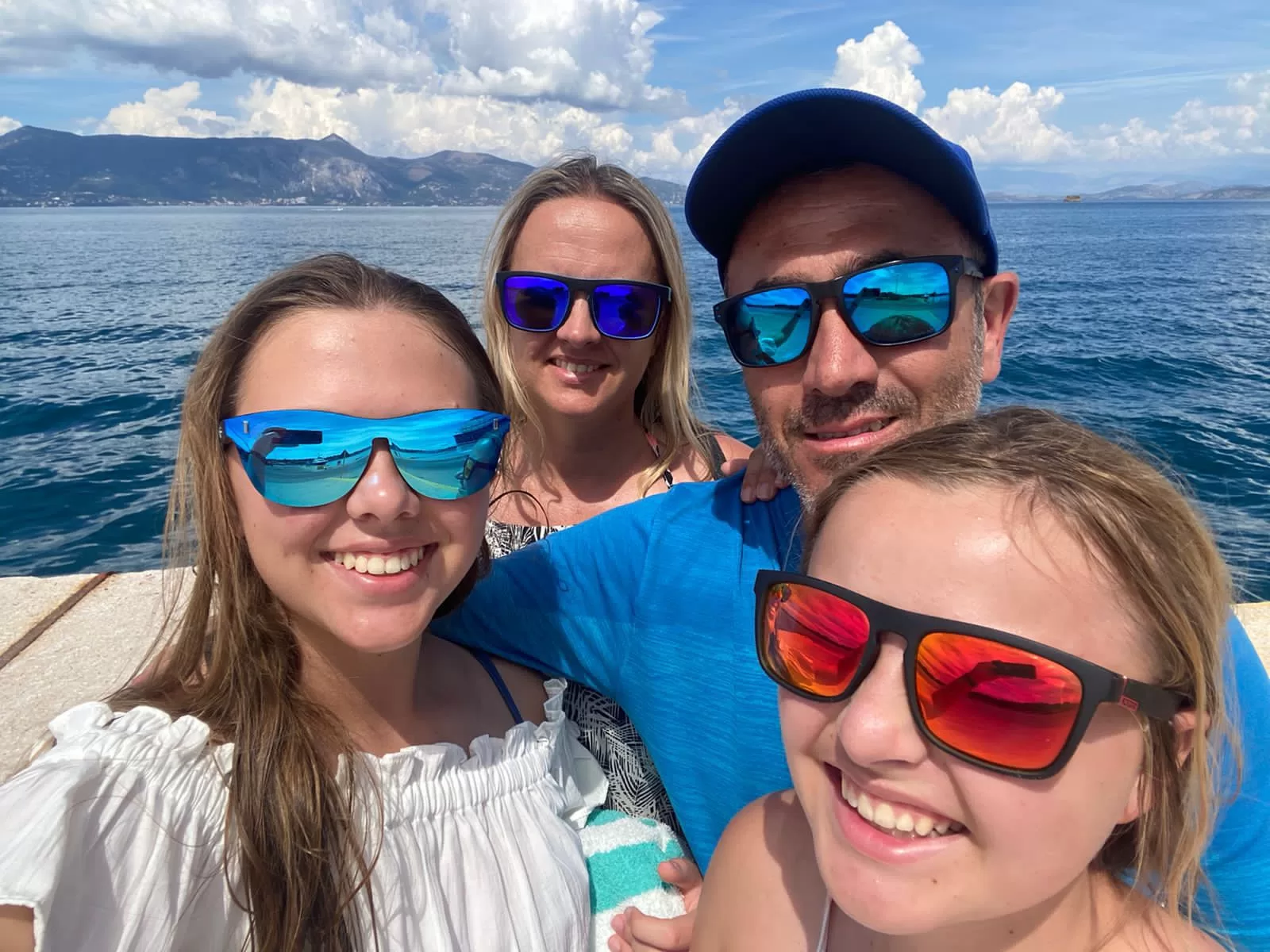
Encourage your child to wear sunglasses and a hat when outdoors — even on cloudy days!
Children’s eyes are more sensitive to UV rays than adults’.
We recommend kids’ sunglasses that block 100% UVA and UVB rays — available right here in our shop.
Around age 3
At an Opthalmologist
Ages 5-6
During school years
(more often if vision problems are detected)
If you notice any of the following, book an eye test sooner:
Squinting or sitting too close to the TV
Complaints of headaches or eye strain
Difficulty concentrating/reading/convergence/accommodation
One eye turning in/out
Rubbing eyes/Allergies
Dyslexia/Learning/Colour Overlays
Healthy visual habits become especially important during the teenage years, when schoolwork, gaming, and constant screen time place extra demands on the eyes. Many teens experience tired eyes, difficulty concentrating, or trouble focusing after long periods on digital devices.
At Magnifeye, we help teens understand how their daily habits affect their vision and give them the tools to protect it.
Our experienced optometrist:
• Explain how screens and blue-light exposure impact teen vision and daily comfort
• Assess focusing ability, eye strain, and how well the eyes cope with extended device use
• Recommend practical strategies to improve concentration and reduce digital fatigue
• Offer blue-light–filtering lens options when needed to support healthier screen habits
• Guide teens and parents on creating balanced routines for better visual wellbeing